The Short Answer
If someone calls, emails, or messages you saying you won the Publishers Clearing House sweepstakes and you just need to pay taxes, a processing fee, or a delivery charge to collect, it is a scam. The real Publishers Clearing House never calls winners ahead of time and never asks for a payment to release a prize. ScamVerify™ tracks the prize and lottery scam category this belongs to: 19,168 complaints in our FTC and FCC data, with 3,389 in the last 90 days and the volume up 8.2% in the past month. Here is a detail that sets this scam apart: only about a third of these calls are recorded, which means roughly two out of three come from a live person, an excited "prize patrol" voice built to sweep you up before you can check. You can hang up.
What the "PCH Winner" Call Sounds Like
The call opens with celebration. A warm, upbeat caller says congratulations, you have won a huge sum, often a couple of million dollars, plus a car, in the Publishers Clearing House sweepstakes. Then the conditions arrive: to release the winnings, you first need to cover the taxes or a processing fee, usually paid by gift card, wire, or a money app. And one more thing, keep it a secret until the prize patrol arrives, so it stays a surprise. That last instruction is not about surprise. It is about stopping you from asking anyone whether it is real.
Does the Real Publishers Clearing House Call Winners?
No, and knowing this one fact defeats the entire scam. The real Publishers Clearing House awards its big prizes in person and unannounced, with the balloons and the camera crew you have seen, and it never phones or emails winners in advance to arrange it. More importantly, it never asks a winner for money, not for taxes, not for a fee, not for anything. A genuine sweepstakes is free to enter and free to collect. So the moment a "PCH" caller asks you to pay, or tells you to keep quiet, you are not talking to Publishers Clearing House. You are talking to someone using its name.
The Tells That Give It Away
Strip away the excitement and every version lands in the same place: a prize you cannot get until you pay. Here is what to watch for.
| Red flag | Why it signals a scam |
|---|---|
| You must pay taxes or a fee before collecting | A real prize is free; you never pay to receive winnings |
| Payment by gift card, wire, or money app | No legitimate prize is released this way; these are untraceable |
| A call or email announcing you won in advance | Real PCH big prizes arrive in person, unannounced |
| "Keep it secret until we arrive" | Isolation stops you from checking with family or the real company |
| You do not remember entering | You cannot win a drawing you never entered |
Got a call like this?
Tell Ava what happened. She checks it against millions of FTC and FCC complaints and real-time carrier data, then tells you exactly what you are dealing with.
What Real Publishers Clearing House Actually Does
The genuine company is public about how this works, and it lines up with common sense. Real prizes are free, winners are never asked to pay anything to collect, and major awards are delivered in person without a heads-up call. The company itself says on its official site that it never contacts winners in advance to ask for money. If you ever want to confirm something, you go to the company's real website yourself, never a number or link a caller gives you. Nothing about a real win requires a payment, a secret, or a countdown.
Why the Caller Sounds So Convincing
Two things make this scam land, and neither is proof of anything. First, roughly two out of three of these calls come from a live person rather than a recording, and that person is trained to sound thrilled for you, to use your name, and to keep the energy high so you ride the excitement instead of pausing to think. Second, they borrow a real, trusted name that millions of people associate with genuine, life-changing prizes. A familiar brand, a warm human voice, and the promise of millions is a powerful combination, which is exactly why the scam keeps working. But a real prize does not need a hype man on the phone, and the harder a caller works to keep you excited and on the line, the more sure you can be that it is not real.
What to Do If You Get the Call
- Do not pay anything. No taxes, no fee, no gift card, no wire. That single step ends the scam.
- Do not share bank or card details to "receive" or "verify" the prize.
- Hang up. You do not owe an excited caller your time, and staying on only invites more pressure.
- Let Ava check it. Paste the number that called or describe the offer, and Ava checks it against the same complaint and carrier data we track, then tells you your next step.
- Report it. File at ReportFraud.ftc.gov so your report helps flag the number for the next person.
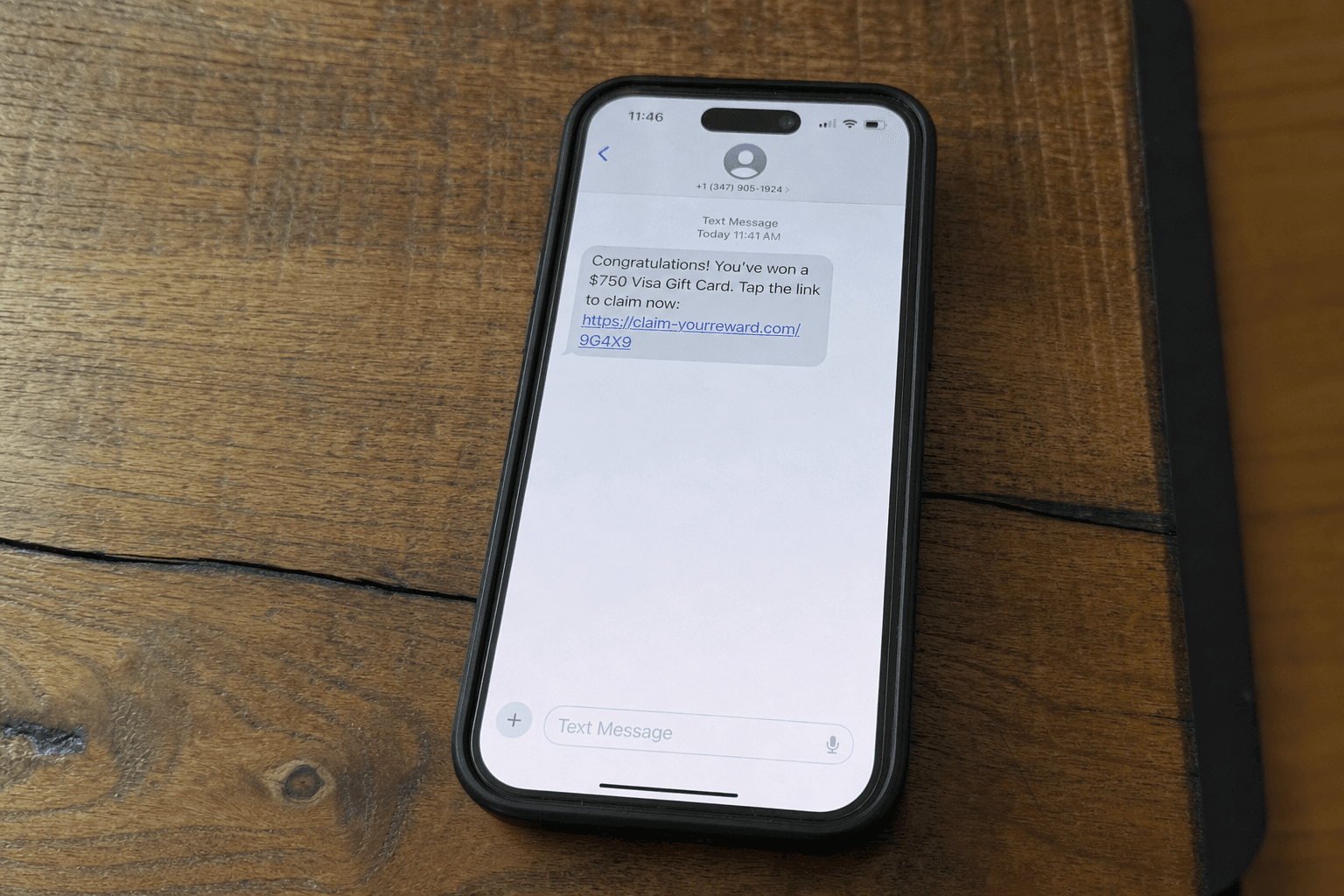
For the full set of prize and lottery scripts, see our guide to prize and lottery scams. The same operations run the pay-a-fee-to-claim prize call and the foreign lottery pitch, and blast the you-won-a-gift-card text, so spotting one makes the rest easy to catch.
I Already Paid a Fee. Now What?
You are not the problem here, and moving fast still helps. If you paid by gift card, call the card company immediately, report it as used in a scam, and ask them to freeze the funds, which are sometimes recoverable if you act quickly. If you wired money or used a payment app, call your bank and ask them to attempt a reversal. If you gave bank or card details, call your issuer using the number on your card and watch for charges. Expect follow-up calls, since a scammer who collected once often circles back with a new "final fee" or a fake refund offer, which is a second scam. Then tell Ava exactly what happened, and she will map out the specific next steps for your situation.