Did You Get a Home Warranty Cold Call or Letter?
If someone calls or mails you out of the blue about a "home warranty" on your house, pushing you to sign up fast or warning that your coverage is lapsing, treat it as a scam until you prove otherwise. Real home warranty companies do not cold-call homeowners with urgent deadlines, and they never need a payment on the spot to keep you covered. Home warranty scams sit in the same FTC complaint category as their auto-warranty cousins, warranties and protection plans, which ScamVerify™ tracks at 36,399 complaints, with 7,302 in the last 90 days. The FTC does not split home from auto warranties in that category, so the safest habit is simple: treat any unsolicited warranty pitch, for your car or your house, exactly the same way. Before you say yes to anything, run the checklist below.
The Checklist: 7 Signs It Is a Scam
Read the call or letter against each point. A legitimate offer rarely trips these; a scam usually trips most of them.
- They contacted you first. You did not request a quote, but here they are with an urgent offer. Reputable home warranty companies do not cold-call strangers.
- There is a deadline or a threat. "Your coverage is expiring," "register within 20 days," or "you are personally liable for all repairs." Real companies do not threaten new customers.
- They imply a link to your mortgage. "Your home warranty tied to your mortgage is ending." Your lender does not sell warranties this way, and a real letter sometimes hides a line admitting "not affiliated with your mortgage."
- The sender is vague. An official-sounding name like "Home Warranty Division" but no real company name, no verifiable return address, and no way to look them up.
- They want money or card details up front. A registration fee, a first payment "to activate," or a card on file before you have seen a contract.
- They will not send terms first. A real provider emails or mails you a sample contract to read. A scam pushes you to pay before you can see what is covered.
- The account number does not match. The letter includes an official-looking account or policy number that has nothing to do with any account you actually hold.
When a Home Warranty Is Actually Worth It
Home warranties, also called home service contracts, are a real product, and this is where a scam differs most from a genuine one. A legitimate plan can be worth it if you want predictable costs on aging appliances and systems, but you buy it on your own terms. You choose a provider you researched, you read exactly what is covered and, just as important, what is excluded, and you compare a couple of options before paying. Genuine companies let you take your time, put everything in writing, and never make the offer vanish at the end of a call. If you decide you want coverage, start by contacting a provider yourself, not by responding to whoever contacted you.
Why These Hit Right After You Buy or Refinance
If one of these arrived just after you closed on a house or refinanced, that timing is not a coincidence. When you buy or refinance, the deed and the mortgage are recorded in public county records, and marketers scrape those records to find fresh homeowners to target. That is how a "home warranty" letter can name your lender or land within weeks of your move, before you have even unpacked. It is designed to feel like a loose end from your closing that you forgot to handle. It is not. Nothing about buying your home requires you to activate a warranty by phone or mail, and your closing paperwork already listed every real party involved in the sale.
Got a call like this?
Tell Ava what happened. She checks it against millions of FTC and FCC complaints and real-time carrier data, then tells you exactly what you are dealing with.
Why "Home Warranty Division" Sounds So Official
The whole pitch is engineered to feel like an account you already have rather than a sale you are being talked into. Here is what makes it convincing, and why none of it is proof.
| Why it felt real | The truth |
|---|---|
| An official name like "Home Warranty Division" | A marketing label, not a company. There is no such division tied to your home. |
| They mentioned your mortgage or your home's details | Your address and loan records are public or bought from brokers. Knowing them proves nothing. |
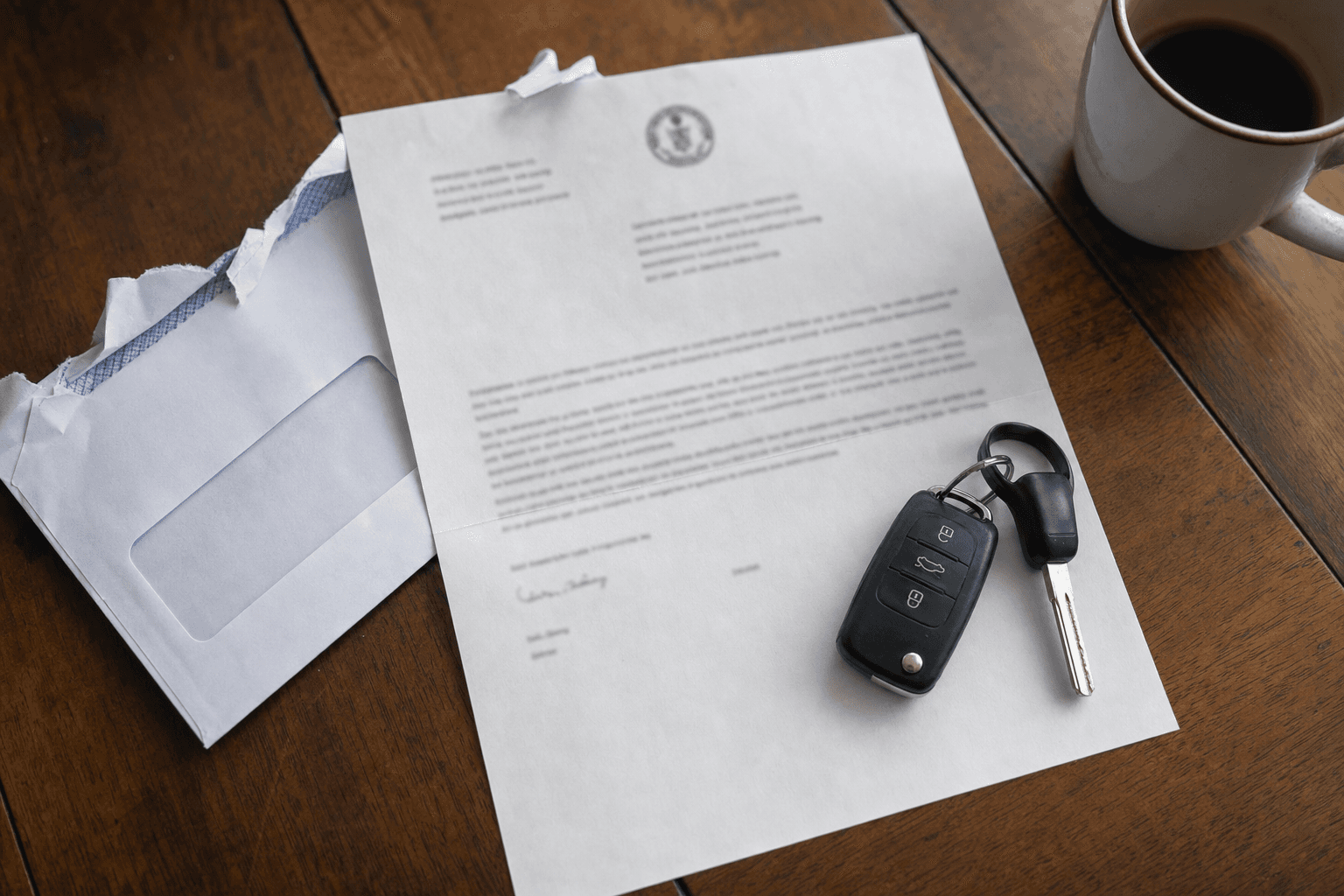
| The letter had a seal and an account number | Layout and a made-up number are cheap to print. A real account ties to a provider you signed up with. |
| A firm deadline to register or lose coverage | Urgency is the tool. A real plan has no countdown, because there is no coverage to lose. |
What to Do With the Call or Letter
- Do not pay or share card details. No registration fee, no card "to activate," no matter how official it sounds.
- Do not agree on the call. Hang up, or set the letter down. You never have to decide in the moment.
- Verify independently. If you already have a home warranty, call the provider using the number on your real contract, not the number you were given.
- Let Ava check it. Paste the number or describe the letter, and Ava checks it against the same complaint and carrier data we track, then tells you your specific next step.
- Report it. File with the FTC at ReportFraud.ftc.gov and your state attorney general, then delete or recycle the message.
The same warranty playbook runs on your car, and seeing it there makes the pattern obvious. Read how the vehicle version works in our guide to auto-warranty scams, how the VIN and card activation grab collects your details, and how a car warranty expiring robocall opens the same pitch by phone.
I Already Paid or Signed Up. Now What?
You are not the problem here, and acting quickly helps. If you paid by card, call your bank or card issuer using the number on the back of the card, report it as a warranty scam, and ask them to stop and dispute the charge. If you signed a contract, cancel it in writing and demand a refund within any state cooling-off window. If you shared personal or banking details, watch your statements closely and consider a free fraud alert with the credit bureaus. Then tell Ava exactly what happened, and she will map out the specific next steps for your situation.