The Short Answer
If a caller reads back your vehicle's VIN and says they just need a card on file to "activate" or "renew" your coverage, it is a scam. Knowing your VIN is not proof of anything, and no legitimate warranty is turned on by reading a card number to a stranger who called you. ScamVerify™ tracks the warranty and protection-plan scam category this belongs to: 36,399 complaints in our FTC and FCC data, with 7,302 in the last 90 days. Here is the part that gives it away: those recent complaints came from more than 6,000 different phone numbers. That is nearly a new number for every complaint, which is not how a real company operates. It is how a rotating scam operation stays ahead of blocking. You can hang up.
What the Call Sounds Like
The caller sounds organized and already seems to have your file. They confirm your year, make, and model, then read your VIN as if pulling it from a record. They say your coverage is lapsing and they can activate or extend it today, and to "process" it they need your VIN confirmed, your mileage, your address, and a card to put on file. They may promise the first payment is refundable or just holds your place. Every step is designed to feel like paperwork, not a sale.
Does Knowing My VIN Mean It Is Real?
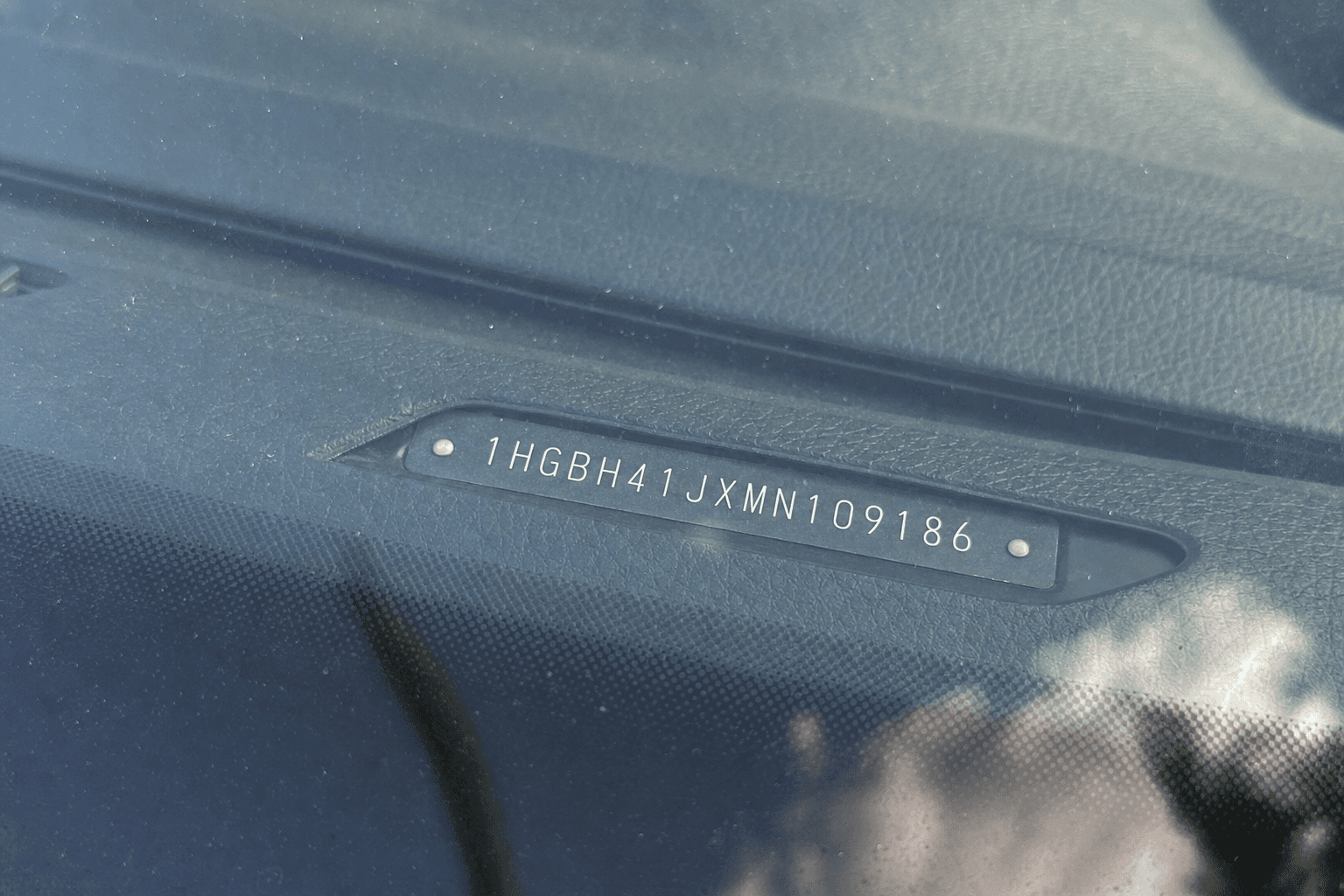
No, and this is the doubt the whole scam runs on. Your VIN is not a secret. It is visible through your windshield on the driver's side, printed on your registration and insurance card, and sold in bulk by data brokers alongside your make, model, and address. A caller reciting it proves only that they bought a list, not that they hold your warranty. Note this is different from VIN cloning, where a criminal copies a legitimate VIN onto a stolen car. What is happening on this call is simpler: the VIN is bait, used to make a cold sales call feel like an official account you need to settle.
Why Your VIN and a Card Are Exactly What They Want
The call is not really about coverage. It exists to collect two things: a working payment card and a confirmed profile tied to your car. With your VIN, address, and a card, they can charge you now and build a richer record to sell or reuse for the next scam. Here is what each request is actually doing.
| What they ask for | Why they want it |
|---|---|
| Your VIN "to confirm the file" | To sound like they already have your account, when they only bought your details |
| Your mileage and address | To flesh out a profile they can charge and resell |
| A card "to activate" coverage | The real goal: a live card number they can bill, often on a hard-to-cancel plan |
| A "refundable" first payment | A line to lower your guard; once billed, the charge is real and hard to reverse |
What They Can and Cannot Do With Your VIN
A VIN by itself is not a key to your bank account or your identity, so if a caller has yours, do not panic. On its own it is used mainly to look up a car's history and specifications, which is exactly why it sits in the open on your dashboard and your paperwork. What makes it useful to a scammer is not the VIN alone but the VIN plus everything they try to add to it on the call: your address, your phone number, and above all a live card. That combination is what lets them bill you and build a fuller profile to resell. So the real risk is not that they read your VIN back to you. It is what you hand over next. Give them nothing after it, and the VIN in their hands is close to worthless.
What Activating Real Coverage Looks Like
A real vehicle service contract is never switched on by a surprise call. You choose a provider or go to your dealer, you get the terms in writing, and you read what is covered before you pay. Nobody rushes you, nobody says the coverage disappears at the end of the call, and nobody needs your card read aloud to a number you did not dial. If you want to check your actual coverage, call your dealer or automaker using the number on your own paperwork.
Got a call like this?
Tell Ava what happened. She checks it against millions of FTC and FCC complaints and real-time carrier data, then tells you exactly what you are dealing with.
What to Do in the Next 10 Minutes
- Do not give your card, VIN, or details. Not to confirm, not to activate, not for a "refundable" hold. Silence costs you nothing.
- Hang up. You do not owe a cold caller an explanation. End the call.
- Verify independently if you are unsure. Call your dealer or automaker using the number from your paperwork, never a number the caller gives you.
- Let Ava check it. Paste the number that called you or describe the call, and Ava checks it against the same complaint and carrier data we track, then tells you your specific next step.
- Report it. File at ReportFraud.ftc.gov so your report feeds the same data that warns the next driver.
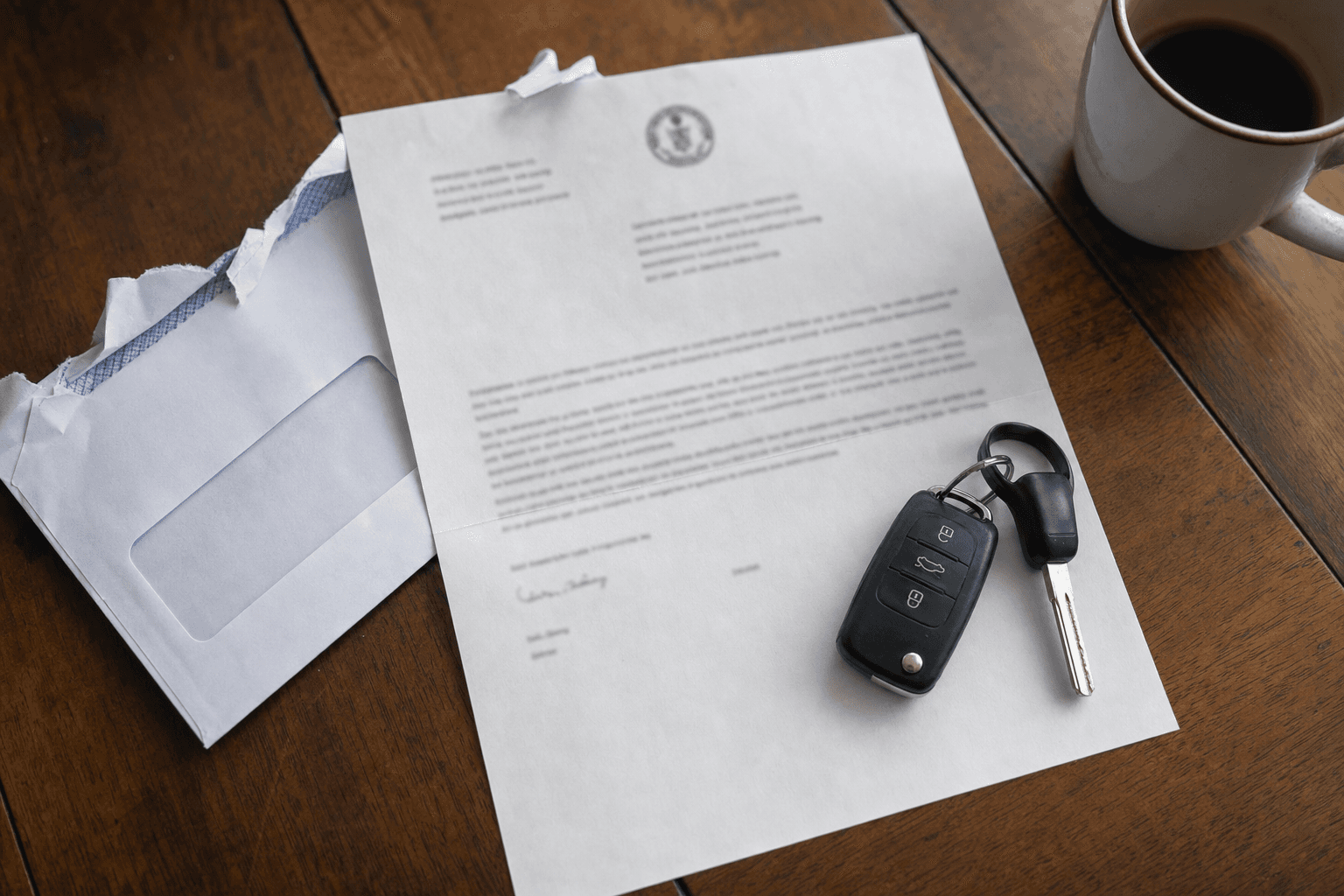
For the full set of scripts these callers use, including the "press 1" and VIN-harvest versions, see our guide to auto-warranty scams. If yours started as a recorded call, read is a car warranty expiring robocall a scam. If it arrived as a letter first, see is a final notice car warranty letter real or a scam.
I Already Gave My VIN or Card. Now What?
Giving out your VIN alone is low risk, since it is already semi-public, so mostly expect more warranty pitches and stay skeptical of them. If you gave a card or a payment, move now. Call your bank or card issuer using the number on the back of your card, report it as a warranty scam, and ask them to stop and dispute the charge, then watch your statements for anything you did not authorize. If you agreed to a "plan," cancel it in writing and demand a refund within any state cooling-off window. Then tell Ava exactly what happened, and she will map out the specific next steps for your situation.