The Short Answer
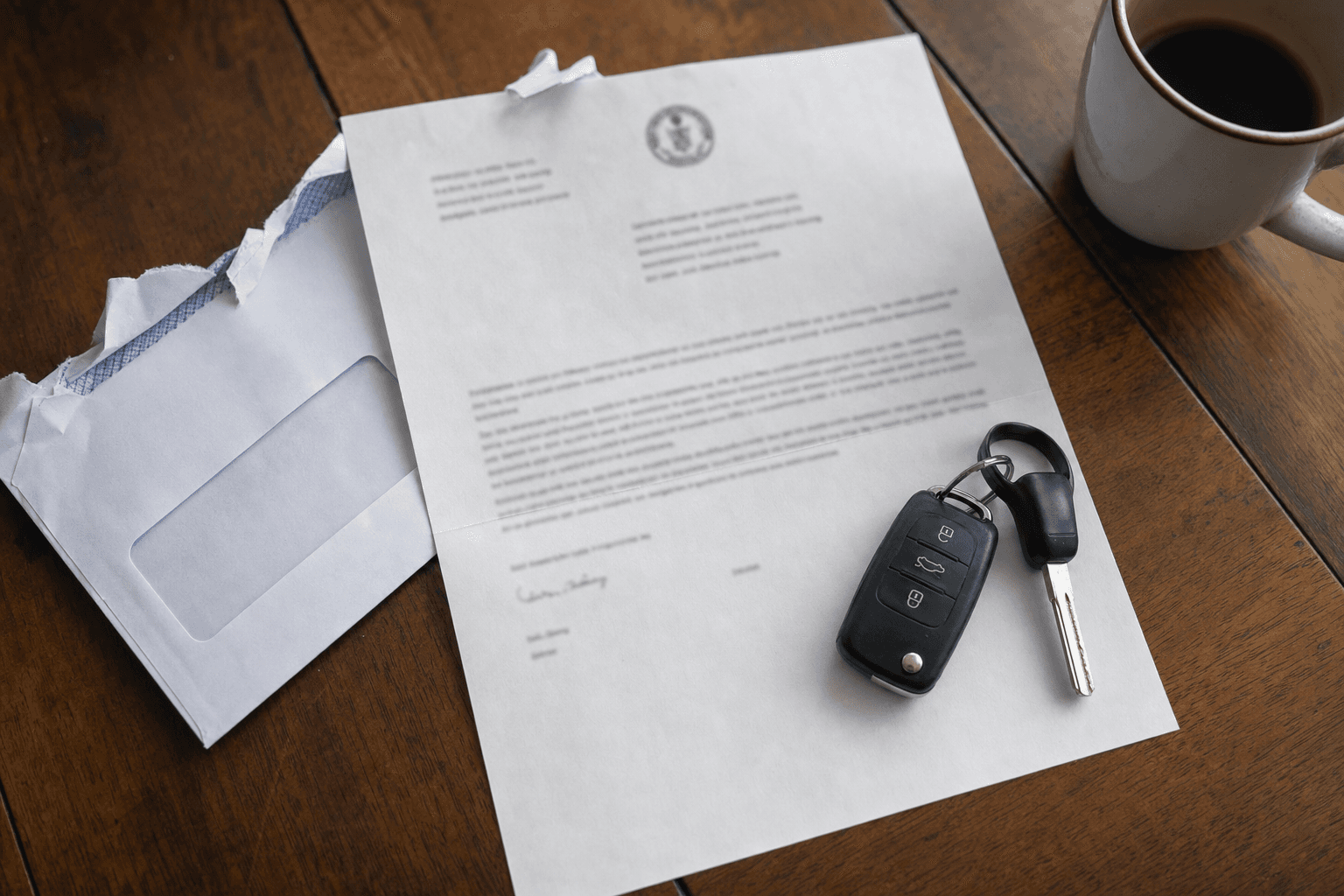
If a stern, official-looking letter or postcard arrives saying this is your "final notice" and the factory warranty on your vehicle is about to expire, it is almost certainly a scam mailer, not a message from your dealer or automaker. Real carmakers do not send urgent "act now" warranty notices with a number to call. ScamVerify™ tracks the warranty and protection-plan scam category these mailers belong to: 36,399 complaints in our FTC and FCC data, with 7,302 in the last 90 days and the volume up 6.4% in the past month. The letter is designed to look like a bill you forgot to pay. It is not. Here is how to tell it apart from a real notice.
Real Notice vs Scam "Final Notice": Side by Side
The fastest way to read one of these letters is to hold it against what a genuine notice from your dealer or manufacturer looks like. They differ on nearly every line.
| Feature | A real dealer or automaker notice | A scam "final notice" mailer |
|---|---|---|
| Who sent it | Names your dealer or automaker, with a real return address | No return address, or a vague "Warranty Services Center" |
| How they address you | Uses your name and real account or VIN on file | "Dear vehicle owner," or your address with no account tie |
| The tone | Informational, no countdown | "FINAL NOTICE," "act now," "coverage expires immediately" |
| The number to call | Matches the number on your own paperwork | A number that appears only on the letter |
| What it asks for | Nothing urgent, no payment to "keep coverage" | Your VIN, mileage, and a card to "activate" or "renew" |
| The fine print | None needed | Often a tiny line: "not affiliated with your dealer or manufacturer" |
The One Thing Missing From Every Scam Letter
Pick up the letter and look for one thing: who actually sent it. A real notice names the company, with a return address you can verify. The scam version almost never does. It will look official, it may carry a seal or an "account number," and it will use your make and model, but nowhere does it clearly say which company is writing to you or why they would have your file. That gap is not an accident. If the sender told you plainly that they are an unaffiliated marketer buying your details from a data broker, no one would call the number. So they leave it blank and let the word "final" do the work. When you cannot tell who sent a warranty letter, you already have your answer.
Why the Letter Found You, and Why It Looks So Official
You did not have to be overdue on anything to get one. These mailers are printed and sent in bulk to lists of vehicle owners pulled from public records and data brokers, which is how they know your make, model, and year without having any real warranty on file. The numbers behind the calls that follow these letters rotate constantly. In the last 90 days alone, the warranty complaints we track came from more than 6,000 different phone numbers, and they cluster in area codes like 303, 404, and 970, though a spoofed number can show any prefix. That churn is the tell that there is no single company here, just a rotating cast of operations printing official-looking paper.
Got a call like this?
Tell Ava what happened. She checks it against millions of FTC and FCC complaints and real-time carrier data, then tells you exactly what you are dealing with.
What a Real Warranty Notice Actually Does
Genuine coverage does not chase you with a deadline. If your manufacturer or dealer ever contacts you about a service contract, the letter names them, uses the account details they already have, and never threatens that your protection vanishes if you do not call today. You can always set the letter down, look up your dealer or automaker using the number on your own paperwork, and ask them directly. A real company expects that. A scam mailer is built to stop you from doing exactly that.
What to Do If a "Final Notice" Lands in Your Mailbox
- Do not call the number on the letter. That number exists only to connect you to the sales pitch. Set the letter aside instead.
- Do not send your VIN, mileage, or a payment. No real coverage is renewed by mailing back a card number or calling a stranger to "activate" it.
- Verify on your own terms. If you genuinely want to check your coverage, call your dealer or automaker using the number from your paperwork, never one printed on the letter.
- Let Ava check it. Tell Ava what the letter says, or paste the number it wants you to call. She checks it against the same complaint and carrier data we track and tells you whether it is a known warranty-scam line.
- Report and recycle it. Report the mailer to the FTC at ReportFraud.ftc.gov, then throw it out with the junk mail.
For the five scripts these operations run once they get you on the phone, see our guide to auto-warranty scams. If yours came as a recorded call instead of a letter, read is a car warranty expiring robocall a scam. And if the caller then asks for your VIN and a card, that exact move is covered in they have my VIN and want a card to activate coverage.
I Already Called or Paid. Now What?
If you called and just listened, you are fine, though you may get more mail and calls. If you gave a card or a down payment, act now. Call your bank or card issuer using the number on the back of your card, report the charge as a warranty scam, and ask them to stop and dispute it. Many states also give you a cancellation window on a service contract, so put your cancellation in writing and demand a refund. If you handed over your VIN and address, stay skeptical of the "renewal" calls that will follow, since these lists get resold. Then tell Ava exactly what happened, and she will walk you through the specific next steps for your situation.