The Short Answer
If a caller says you overpaid your utility bill or qualify for a credit and they just need your bank or card details to send the refund, it is a scam. Money coming back to you never requires you to hand over your card number to someone who called you. A real credit is applied to your account automatically. ScamVerify™ tracks the energy and utility scam category this belongs to: 38,268 complaints in our FTC and FCC data, with 3,899 in the last 90 days. This one is the friendly cousin of the shut-off threat. Instead of scaring you, it offers you money, but the goal is the same, to get your payment details. You can hang up.
What the Call Sounds Like
The tone is helpful, not threatening. The caller says their records show you overpaid last month, or a billing adjustment left a credit on your account, and they want to get it back to you quickly. To "process the refund," they ask you to confirm your bank account or card number, or to verify your details through a link or an app. They may already recite part of your account number to sound like the real company.
But They Already Knew My Account Number
This is the detail that makes careful people lower their guard, so it deserves a straight answer. A caller knowing a fragment of your account number, your name, or your address is not proof they are your utility. That information leaks from data breaches and gets bought and reused precisely to make calls like this believable. Your real utility already has your full account on file and does not need you to read it back. A partial match is a script prop, not evidence. If anything, a caller reciting just enough to sound official, then asking you to "confirm" the rest, is the pattern to distrust.
Why a Real Refund Never Works This Way
The request itself is the giveaway. Asking you to hand over a card or bank login to receive money is how they capture it to take money out, not put it in. Here is what to watch for.
| Red flag | Why it signals a scam |
|---|---|
| They called you about a refund you did not request | Real credits show up on your account without a phone call |
| They need your card or bank login to "send" it | A refund goes to your existing account automatically, no new details required |
| They pressure you to confirm details right now | Urgency is there to stop you from calling the real utility to check |
| They recite part of your account as "proof" | Breached data is reused to sound legitimate; it proves nothing |
| They send a link or app to "receive" the money | The link harvests your details or installs something; a real credit needs none of this |
Got a call like this?
Tell Ava what happened. She checks it against millions of FTC and FCC complaints and real-time carrier data, then tells you exactly what you are dealing with.
What a Real Credit or Refund Actually Does
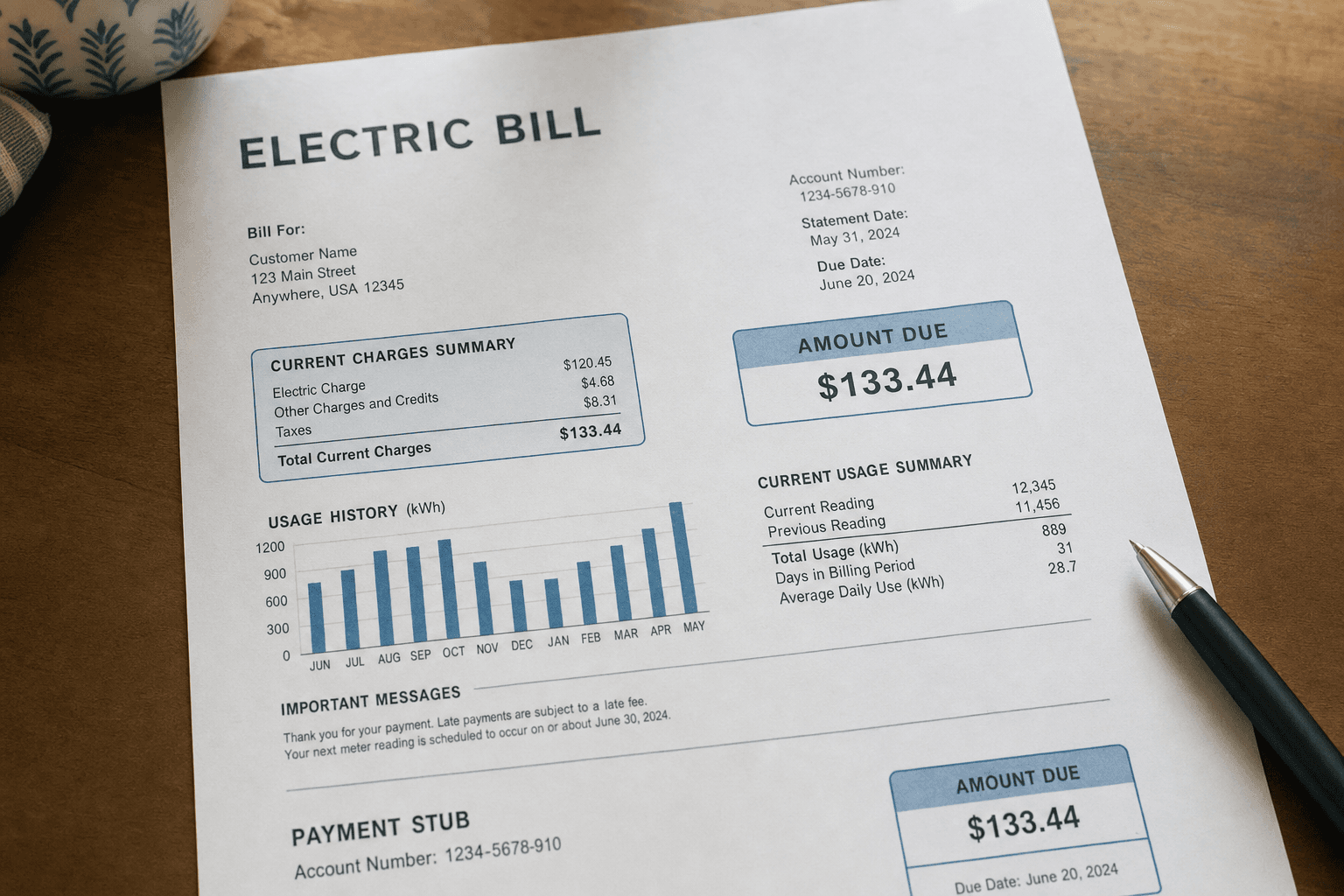
If you genuinely have a credit, your utility applies it to your balance or issues it through the method you already use, with no phone call demanding your card. You can confirm any real credit yourself by logging into your account or calling the number on your bill. Nobody at a legitimate company needs you to read your bank login or card number aloud to send money you are owed. The safe move is always to end the call and check on your own terms.
Why the Refund Version Exists
It can seem strange that the same operations that threaten to shut off your power also call to give money back, but the two scripts are two sides of one playbook. The threat uses fear; the refund uses relief and a little flattery. Both are just ways to get you talking and to reach your payment details. Scammers run the refund version because it slips past people who have learned to distrust threats: a caller offering you money feels harmless, even generous, and that is the trap. Whether a stranger who called you is demanding a payment or offering you one, the safe response is identical, do not give card or bank details, hang up, and verify with the number on your bill.
What to Do in the Next 10 Minutes
- Do not share your bank or card details. Not to confirm, not to receive a refund, not for any reason on an incoming call.
- Do not click any link or install any app the caller sends to "process" the refund.
- Hang up and verify. Call your utility on the number from your bill and ask whether there is any real credit on your account.
- Let Ava check it. Paste the number that called or describe the offer, and Ava checks it against the same complaint and carrier data we track, then tells you your next step.
- Report it. File at ReportFraud.ftc.gov so your report helps flag the number for the next person.
For the full set of energy and utility scripts, see our guide to utility and energy scams. This refund pitch is often the reversal of the pay-now shut-off threat, and the same operations run the free government solar call, so recognizing one helps you spot the rest.
I Already Gave My Card or Bank Info. Now What?
Act quickly, and do not blame yourself, since these scripts are built to disarm you. Call your bank or card issuer using the number on the back of your card, tell them you gave your details to a refund scam, and ask them to watch for or stop any charges and, if needed, issue a new card. If you logged in through a link the caller sent, change that password from a different device and turn on two-factor authentication. Then keep an eye on your statements for anything you did not authorize. Tell Ava exactly what happened, and she will map out the specific next steps for your situation.