
What's Happening Right Now
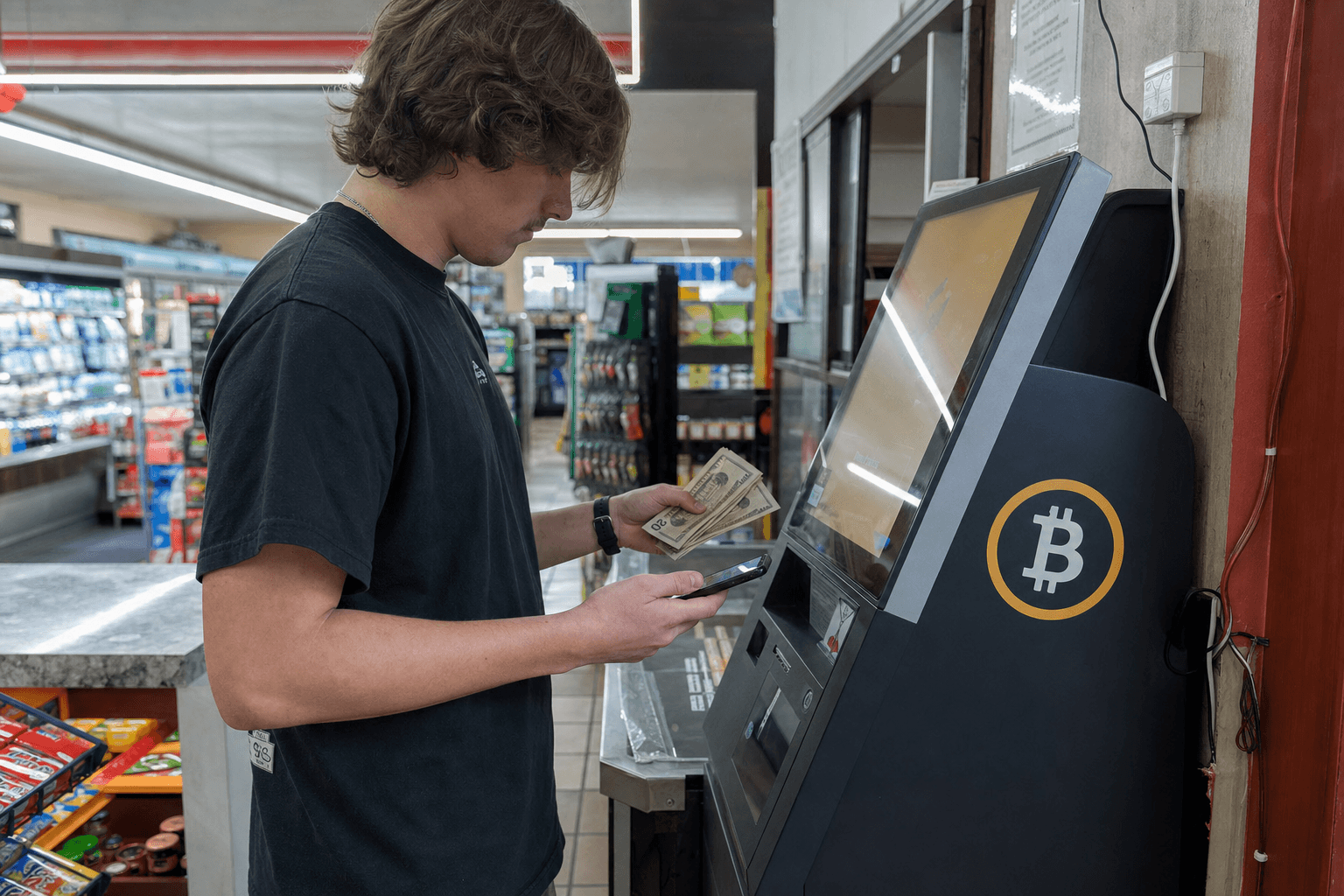
One of the fastest-rising scams in the country runs through a machine you have probably walked past in a gas station or convenience store: the cryptocurrency ATM. According to the Federal Trade Commission, money lost through crypto ATMs jumped roughly 1,000 percent between 2020 and 2023, and consumers reported losing 388 million dollars to these scams in 2025, a 58 percent increase over 2024. The machines are legal. The way scammers use them is not.
ScamVerify™ tracks this scam because it combines two things that make losses devastating: an imposter who creates panic, and a payment method that is almost impossible to reverse.
How the Crypto ATM Scam Works
The crypto ATM is not where the scam starts. It is where it ends. The setup looks like this:
- The imposter contact. It begins with a call, text, email, or pop-up. The "caller" claims to be from your bank, the government, Amazon, or tech support, and says your money or identity is at risk.
- The manufactured emergency. You are told your accounts have been hacked, you owe a fine, or you must "protect" your money immediately. The pressure is relentless and they tell you to keep it secret.
- The cash withdrawal. They instruct you to take cash out of your bank, sometimes a large amount, to "secure" it.
- The machine. They direct you to a nearby crypto ATM and walk you through depositing the cash and scanning a QR code they provide.
- The vanish. That QR code sends every dollar straight to the scammer's crypto wallet. Once it is sent, it is gone, with no bank to call for a reversal.
The QR code is the trick. It looks like you are "depositing to your own account," but it is the scammer's wallet address. You are handing them the money yourself.
Why Scammers Love Crypto ATMs
| Feature | Why it helps the scammer |
|---|---|
| Cash in, crypto out, instantly | The transfer settles in minutes and cannot be undone |
| No name on the wallet | The destination is anonymous and untraceable |
| Located everywhere | A victim is rarely far from a machine |
| Feels like a normal ATM | The familiar format lowers suspicion |
| No human teller to intervene | No one asks why you are sending thousands to a stranger |
Older adults are hit hardest. The FTC has reported that people over 60 are far more likely to lose money this way, and the average loss is large because victims are coached to withdraw substantial cash.
The Rule That Defeats It
No legitimate organization will ever tell you to withdraw cash and feed it into a cryptocurrency machine. Not your bank, not the IRS, not the police, not Amazon, not a "fraud department." If anyone instructs you to do this, that instruction is the scam, every time.
Red Flags
- An unexpected call, text, or pop-up claiming your money or identity is in danger
- Instructions to withdraw cash and deposit it at a Bitcoin or crypto ATM
- A QR code you are told to scan at the machine
- Pressure to act immediately and to tell no one, not even your bank
- A caller who stays on the phone with you while you drive to the machine
What to Do
- Hang up or stop. The urgency is the scam. Real institutions give you time.
- Verify independently. Call your bank on the number on your card, or the agency on its official .gov site. Never use a number or link the caller gave you.
- Check the contact. Run the phone number through the ScamVerify phone lookup, or paste a suspicious link into the website checker, before you act on anything.
- Never scan a QR code handed to you by someone pressuring you to send money.
- Report it to the FTC at ReportFraud.ftc.gov, and tell an older relative how this scam works, since they are the prime target.
What to Do If You Already Sent Crypto
- Act within minutes. Contact the crypto ATM operator (the company name is on the machine) and report the transaction immediately. Some operators can freeze funds if you reach them fast enough.
- Call your bank about the cash withdrawal and file a report.
- Report it to the FTC and the FBI Internet Crime Complaint Center at IC3.gov. Recovery is hard, but reporting helps investigators trace wallets and warn others.
The Bottom Line
Crypto ATM scams have exploded because they pair a panicked victim with an irreversible payment. The machine at the end is legal, but the QR code you are told to scan sends your cash to a stranger you cannot trace. Lock the rule in now: no real bank, agency, or company will ever ask you to withdraw cash and deposit it into a crypto ATM. If someone does, hang up and verify. Then warn the older adults in your life, because they are who this scam is built for.
FAQ
What is a crypto ATM scam?
It is a scam where an imposter, posing as your bank, the government, or a company, convinces you that your money is at risk and tells you to withdraw cash and deposit it into a cryptocurrency ATM by scanning a QR code. The QR code routes the funds to the scammer's anonymous wallet. Because crypto transfers are fast and irreversible, the money is almost impossible to recover.
Can I get my money back after using a crypto ATM?
It is very difficult, which is why these scams are so damaging. Crypto transactions are not reversible like card or bank payments. Your best chance is to act within minutes: contact the ATM operator listed on the machine, your bank about the cash withdrawal, and report it to the FTC and IC3.gov. Speed matters more than anything.
Why would someone tell me to use a Bitcoin ATM?
Only a scammer would. No legitimate bank, government agency, utility, or company accepts payment or "protects" your money through a cryptocurrency ATM. The request itself is the clearest possible sign of a scam. If anyone instructs you to withdraw cash and deposit it into a crypto machine, stop and verify through official channels.
Who is most at risk from crypto ATM scams?
The FTC reports that older adults, especially people over 60, lose money to crypto ATM scams far more often and in larger amounts than younger people. Scammers target them with imposter calls and coach them to withdraw significant cash. Talking through this scam with older relatives in advance is one of the most effective protections.


